
Intelligent traffic systems rely on high-performance optical components to deliver reliable 24-hour road imaging. Many system integrators and project engineers have questions about how to select, install and maintain Intelligent Traffic lenses for urban road monitoring, highway checkpoint and intersection enforcement projects. This FAQ article answers the most common technical questions for buyers and system designers working on smart city traffic projects.
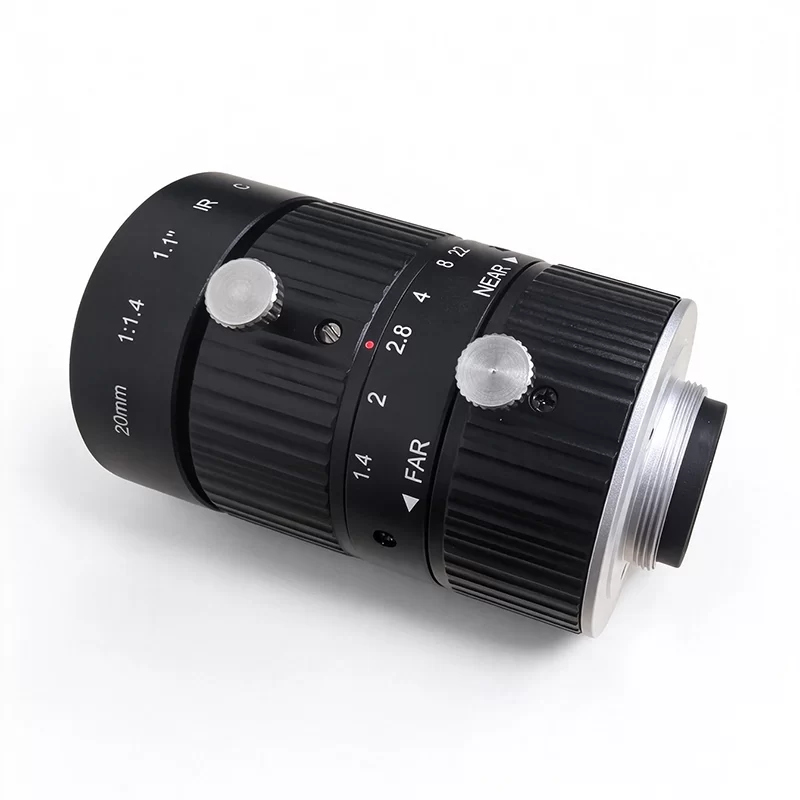
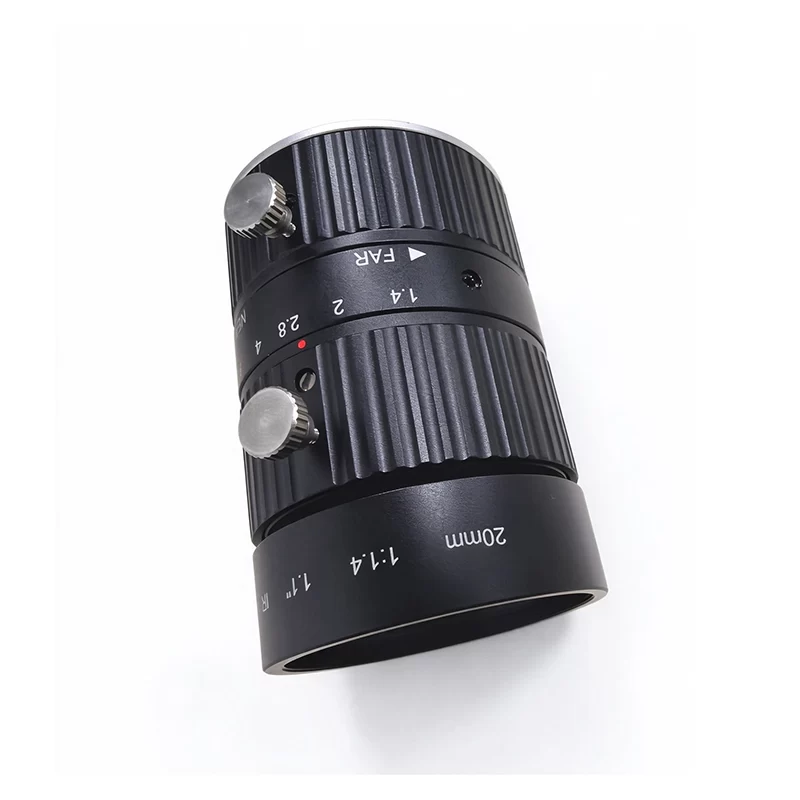
Q1: What is an IR-corrected intelligent traffic lens?
A: An IR-corrected intelligent traffic lens is engineered to maintain the same focal plane for visible light and near-infrared 850nm wavelength. Unlike conventional fixed lenses, it eliminates focus shift when the camera IR-cut filter switches between daytime color mode and night IR mode. This feature is the core requirement for stable Intelligent Traffic capture without manual refocusing after dusk.
Q2: Why is distortion control critical for intelligent traffic applications?
A: Traffic recognition algorithms rely on accurate geometric information of vehicles and license plates. High distortion will stretch plate characters and vehicle outlines, reducing the accuracy of ANPR and violation detection. Professional lenses for Intelligent Traffic keep TV distortion within a controlled range to preserve object proportions across the full image frame.
Q3: How to match sensor size when choosing an intelligent traffic lens?
A: The lens image format must match or exceed the camera sensor size. If the lens format is smaller than the sensor, heavy vignetting appears at the image corners and reduces relative illumination. For modern 12MP high-resolution traffic cameras, 1-inch or larger lens formats are widely recommended for Intelligent Traffic deployment.
Q4: What aperture level works best for intelligent traffic lenses?
A: Large aperture such as F1.4 or F2.0 brings higher light throughput. It helps maintain clear images under low-light conditions like tunnel entrances, dawn and dusk. For highway checkpoints with stable lighting, F2.4-F2.8 lenses are also acceptable. The aperture selection depends on lighting environment and working distance of your Intelligent Traffic project.
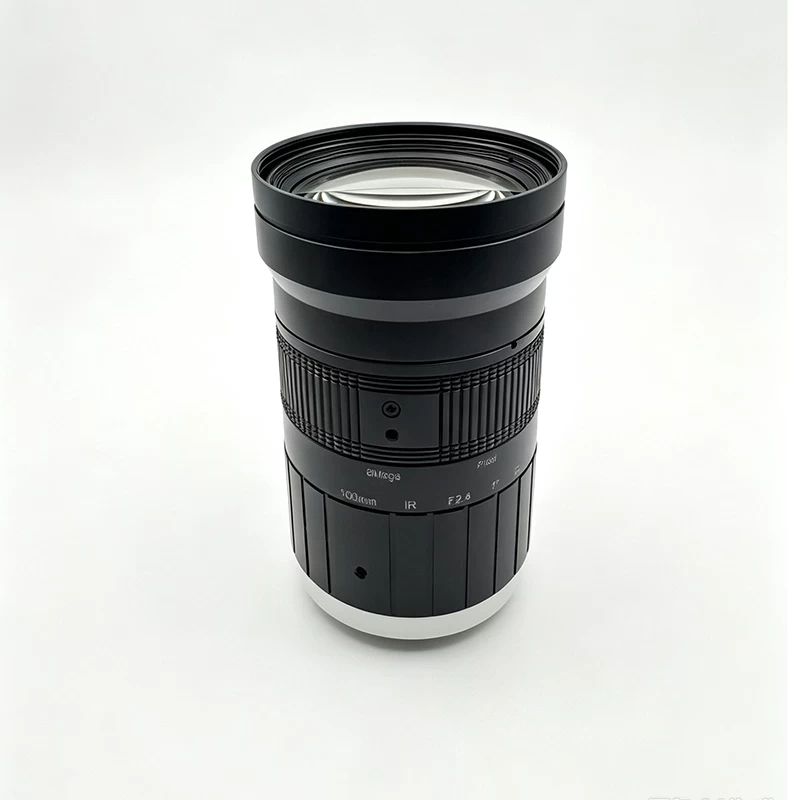
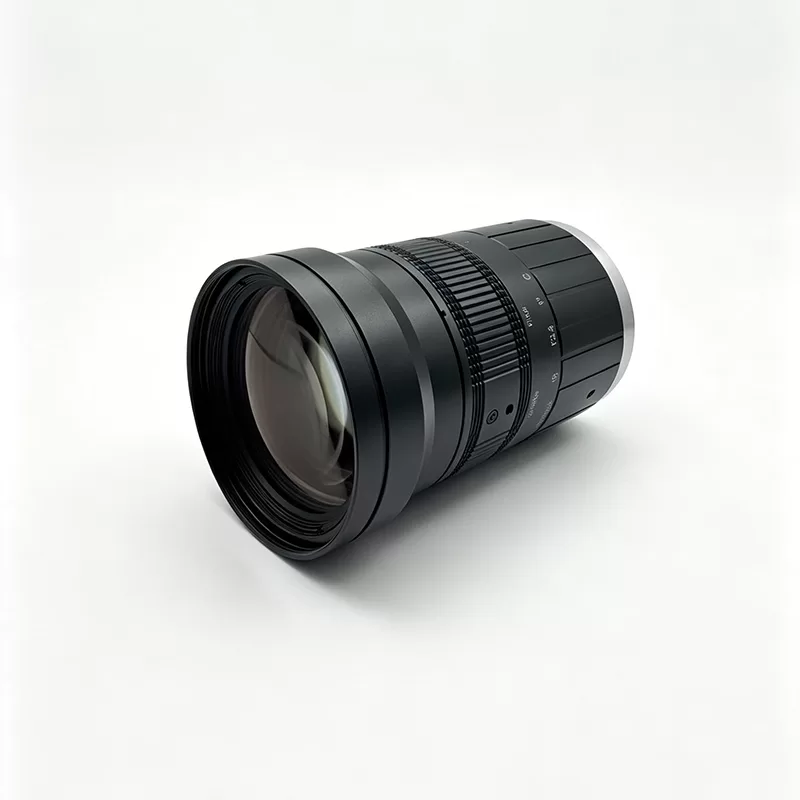
Q5: Can intelligent traffic lenses operate continuously under extreme outdoor temperatures?
A: Quality industrial intelligent traffic lenses adopt all-metal mechanical structures and selected optical glass. Premium models support wide temperature operation from -20℃ to +70℃. Thermal drift control ensures consistent imaging performance for year-round outdoor Intelligent Traffic enforcement.
Q6: What is CRA and why does it matter for intelligent traffic lenses?
A: CRA stands for Chief Ray Angle. It must match the sensor’s pixel micro-lens design. A mismatched CRA causes corner darkening, color cast and uneven illumination. Optimized CRA design guarantees uniform brightness and color reproduction for full-frame imaging in Intelligent Traffic systems.
Q7: Manual iris or fixed iris: which option to pick for traffic cameras?
A: Manual iris lenses are preferred for most outdoor road sites. Engineers can fine-tune aperture to avoid overexposure under strong sunlight and retain details at night. Fixed iris lenses are only suitable for indoor or semi-closed traffic sites with stable lighting for Intelligent Traffic use.
Q8: What maintenance tips help extend the service life of intelligent traffic lenses?
A: Keep the front optical surface clean and avoid scratches. Install a protective window or CPL filter via the filter thread to cut windshield reflection and reduce direct sun glare. Regular inspection of mounting tightness prevents vibration-induced defocus for long-running Intelligent Traffic equipment.
Conclusion
Selecting a proper intelligent traffic lens requires comprehensive evaluation of IR correction, distortion, CRA, aperture and environmental adaptability. Understanding these optical parameters helps integrators avoid common pitfalls and deliver stable, high-definition imaging for smart city traffic projects. If you need technical support for lens selection or sample testing, contact our optical engineering team for customized recommendations.