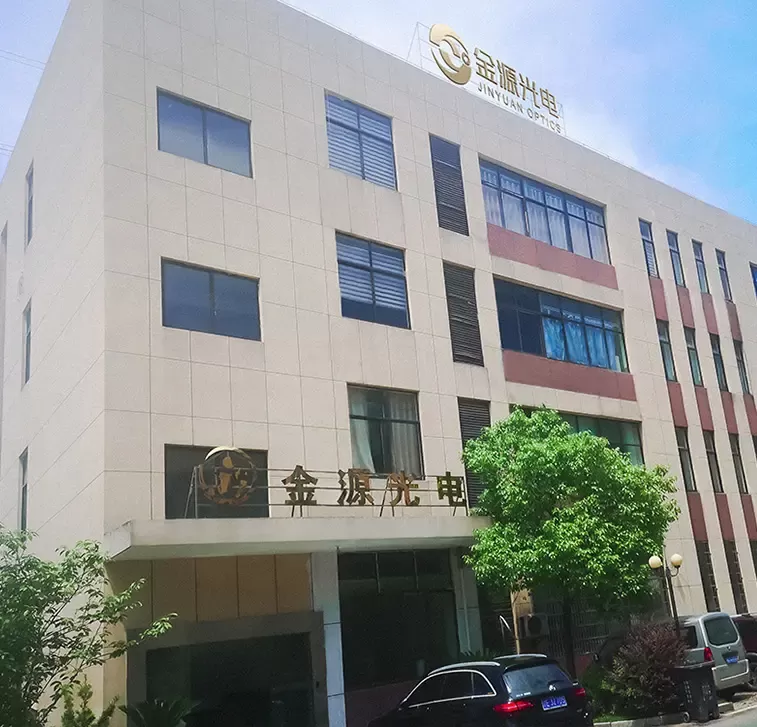

Optical system design demands precise control over photon propagation, refraction, and image formation. Selecting an analogical camera lens requires an analysis of physical light behavior rather than reliance on digital image modification. In high-speed automated inspection, medical diagnostics, and specialized imaging, physical optics determine the boundaries of spatial resolution and dynamic range. A reliance on pure physical optical performance ensures that light waves focus on the sensor plane without introducing artifacts or electronic delay.
The performance of an optical system hinges on the precision of its components. Achieving diffraction-limited performance requires low surface roughness, tightly controlled radius tolerances, and exact refractive index consistency across optical glass elements. Custom optical solutions focus on managing optical physics at the entry point of the imaging train, ensuring raw optical data remains pure prior to sensor conversion.
Physical Fundamentals of the Analogical Camera Lens
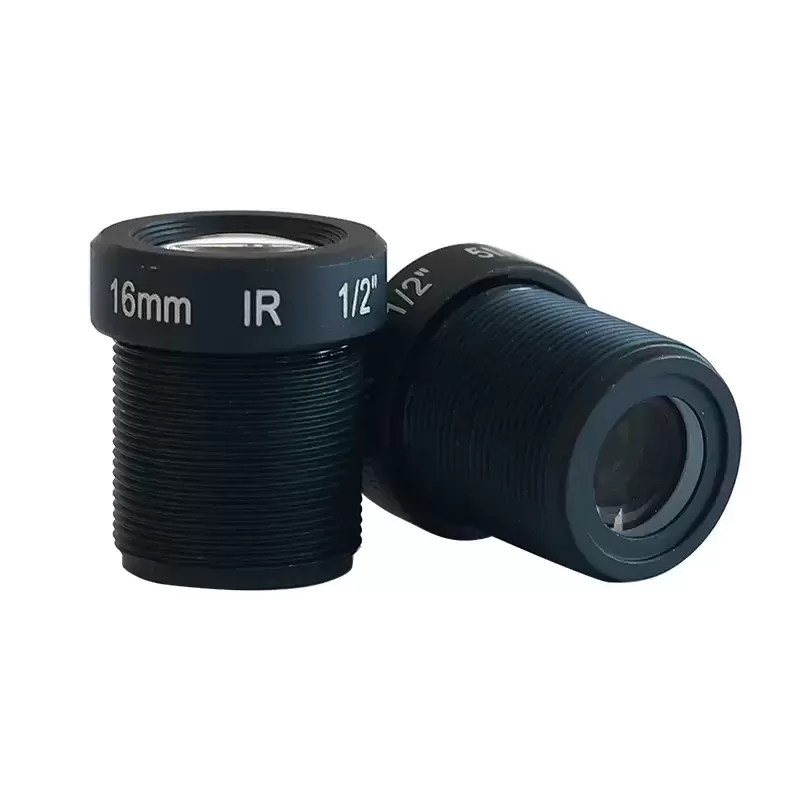
An analogical camera lens relies on precise optical glass elements to bend and focus light according to Snell’s Law. The mechanical arrangement of doublets, triplets, and aspheric elements determines the system's effective focal length, numerical aperture, and depth of field. Maintaining exact phase alignment across the visible and infrared spectra demands tight geometric control during optic fabrication.
Light rays passing through spherical surfaces inherently experience refractive discrepancies. Marginal rays focus closer to the lens element than paraxial rays, leading to spherical aberration. Integrating specialized optical designs balances these focal shifts. Through tailored element shaping, an analogical camera lens directs incident light to a single, uniform focal point, preserving edge-to-edge sharpness across the entire image plane.
Dispersion creates another challenge in high-resolution optics. Chromatic aberration occurs when different wavelengths of light refract at varying angles through optical media. Utilizing crown and flint optical glasses with complementary Abbe numbers allows optical designers to create achromatic doublets. This configuration cancels out color fringing and maintains chromatic precision across target bandwidths.
Substrate Selection and Precision Glass Fabrication
Material selection forms the baseline of optical system performance. Synthetic optical glass types offer unique refractive indices, transmission windows, and thermal expansion properties. Choosing the correct glass substrate ensures consistent performance under varying environmental conditions.
N-BK7: A high-purity borosilicate crown glass widely used for standard high-quality optical components requiring excellent transmission across the visible spectrum.
Fused Silica: Preferred for ultraviolet and high-temperature environments due to its low coefficient of thermal expansion and wide transmission range.
Ohara and Schott Specialty Glasses: Utilized for high-index, low-dispersion optical designs that require compact element grouping without introducing high optical distortion.
Calcium Fluoride (CaF2): Selected for deep UV and infrared imaging due to its extremely low dispersion characteristics and broad spectral throughput.
Precision optical manufacturing at Jinyuan utilizes advanced CNC grinding and polishing machinery to achieve surface accuracies within fractions of a wavelength. Optical flatometers and laser interferometers verify that surface profile deviations remain below sub-micron thresholds. Low micro-roughness minimizes internal light scatter, directly improving contrast performance across spatial frequencies.
Managing Distortion and Wavefront Aberrations
Optical distortion alters the geometric fidelity of imaged objects, presenting as barrel or pincushion artifacts. In precise machine vision applications, distortion distorts spatial measurements and leads to inaccurate data parsing. A custom analogical camera lens is engineered to keep field distortion below strict percentage thresholds, ensuring spatial accuracy without software distortion correction.
Wavefront analysis provides a comprehensive assessment of optical throughput. As light passes through multi-element assemblies, irregularities in glass homogeneity or surface curvature degrade the wavefront profile. Utilizing Zygo optical interferometry during quality testing allows engineers to measure peak-to-valley errors and Root Mean Square (RMS) wavefront margins. Correcting these errors yields stable image clarity and optimized Modulation Transfer Function (MTF) values.
Optomechanical stability remains equally vital. The optical barrel, spacer rings, and retaining elements must withstand mechanical vibration and thermal variations. Jinyuan applies strict mechanical tolerances to internal metal housings, ensuring lens elements maintain optical axis alignment within arcsecond limits under operational movement.
Coatings and Optical Transmission Enhancements
Uncoated optical glass surfaces reflect between 4% and 10% of incident light per surface, reducing overall optical throughput and causing internal reflection ghosts. Advanced anti-reflective (AR) coatings resolve this by utilizing destructive interference phenomena to increase transmittance efficiency.
Vacuum-deposited thin-film coatings adjust performance for specific spectral bands. Multi-layer broadband anti-reflective (BBAR) coatings suppress reflections across wide bandwidths, yielding light transmission rates exceeding 99.5% per surface. Hardened dielectric coatings provide physical resistance against environmental debris, moisture, and cleaning procedures without shifting optical thickness.
Stray light reduction involves more than surface coatings. Structural anti-reflective measures, including internal threading, matte black anodized barrels, and strategic light baffles, block off-axis stray light from reaching the image sensor plane. This keeps contrast levels high in challenging lighting environments.
Industrial and Specialized Integration Scenarios
High-precision optical systems serve across automated industries where raw visual data must remain uncompromised. Replacing software compensation with physical optical precision speeds up visual processing algorithms and lowers computing overhead.
Automated Optical Inspection (AOI): Printed circuit board and semiconductor fabrication facilities require zero-distortion optics to detect micrometer-scale surface defects.
Medical Diagnostics and Microscopy: High numerical aperture optical configurations deliver color-accurate, high-contrast imagery necessary for histopathology and cellular analysis.
High-Speed Motion Analysis: Wide aperture optical configurations gather maximum light flux, enabling ultra-short exposure times without signal noise.
Robotic Guidance Systems: Durable, vibration-resistant optomechanical assemblies ensure stable continuous operation on dynamic automated assembly lines.
Integrating a specialized analogical camera lens directly into machine vision setups ensures that image data matches real-world geometry. This physical accuracy is vital for robotic pick-and-place operations, where spatial deviations lead to positioning errors.
Custom Manufacturing and Engineering Standards at Jinyuan
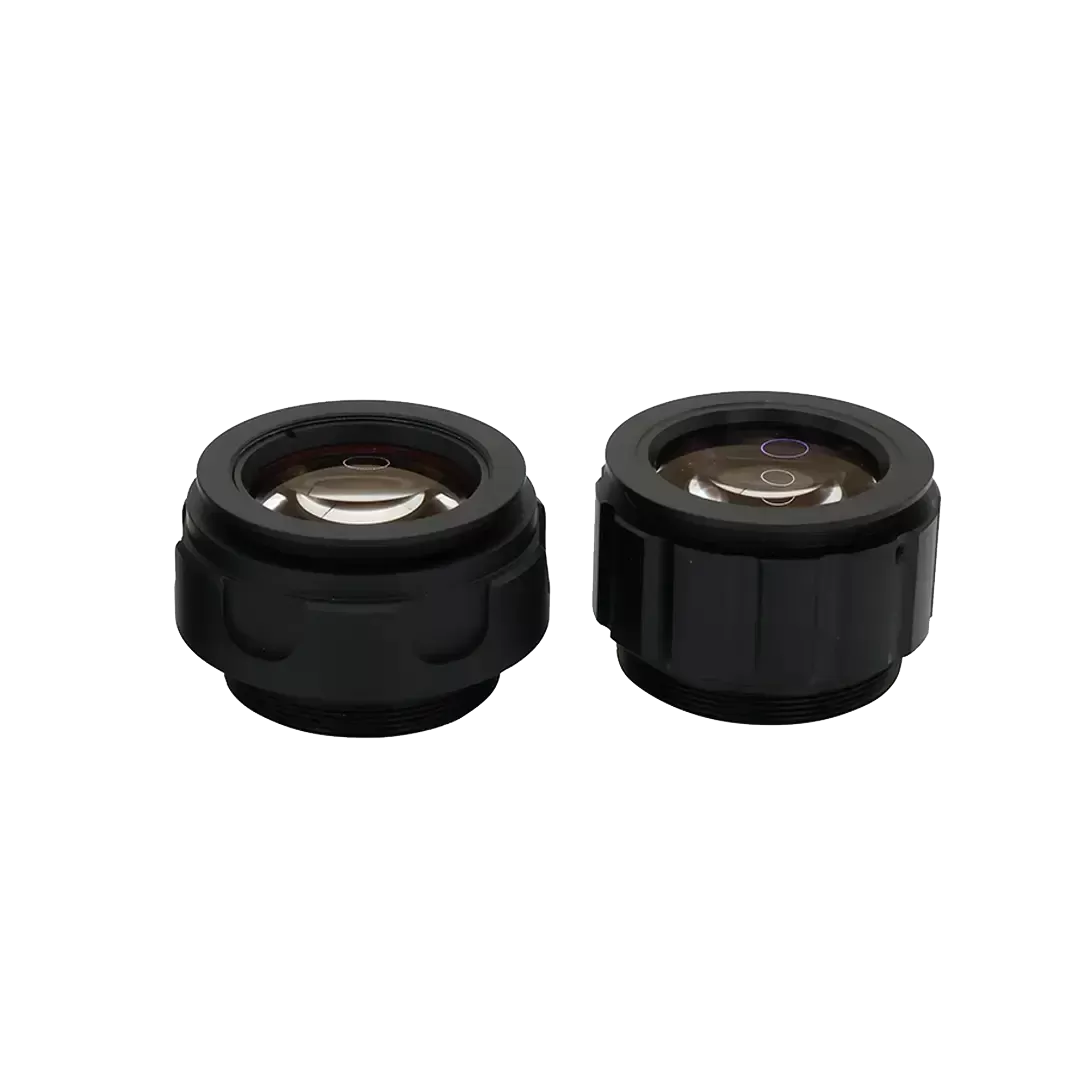
Standard off-the-shelf optical components often fall short of meeting complex spatial, spectral, or environmental specifications. Custom lens development bridges the gap between theoretical optical design and practical application execution. Jinyuan provides complete OEM and ODM customization services, translating optical system requirements into manufactured optical assemblies.
The manufacturing process begins with optical design modeling using Zemax and Code V simulation tools. Engineers evaluate ray trace pathing, optimization variables, thermal stability parameters, and element positioning tolerance limits before glass fabrication starts. This simulation phase minimizes development iteration cycles and guarantees targeted optical specifications.
Assembly takes place within cleanroom environments to prevent airborne dust contamination between lens elements. Automated double-sided polishing, precision centering, and optical cementing guarantee that every completed analogical camera lens meets strict MTF metrics and centering requirements.
Frequently Asked Questions
Q1: What defines an analogical camera lens compared to standard digital vision optics?
A1: An analogical camera lens focuses strictly on achieving image quality through physical ray manipulation, high-grade optical glass, and geometric precision. It delivers uncorrected raw optical data to the sensor plane, avoiding reliance on digital post-processing algorithms to correct physical distortion or chromatic fringing.
Q2: Why is substrate selection important in custom optical element manufacturing?
A2: Substrates dictate how light travels through an element based on refractive index, dispersion characteristics, and optical purity. Specific glass formulations maintain thermal stability, prevent chromatic aberration, and maximize light transmission across targeted optical spectra.
Q3: How does Modulation Transfer Function (MTF) measure optical performance?
A3: MTF quantifies an optical system's ability to transfer contrast from the object to the image plane at specific spatial frequencies, measured in line pairs per millimeter (lp/mm). Higher MTF values indicate superior optical resolution and image contrast performance.
Q4: What optical coating options exist to increase light throughput?
A4: Optical thin-film coatings include single-layer anti-reflective coatings, multi-layer broadband anti-reflective (BBAR) coatings, V-coatings for narrow laser wavelengths, and protective hard coatings. These layers reduce internal reflections and maximize photon transmission through multi-element assemblies.
Q5: What technical details are needed when requesting a custom optics quote from Jinyuan?
A5: Specifying a custom optical system requires providing effective focal length (EFL), working distance, waveband range, sensor format, target resolution (MTF specs), maximum allowable distortion percentage, and mechanical housing dimension constraints.
Submit Your Inquiry for Custom Optical Solutions
Designing a optical system requires engineering precision, quality optical glass fabrication, and strict quality control standards. Jinyuan supplies custom optical assemblies tailored to your specific application requirements. Contact our optical engineering team today to submit your technical specifications, request a custom optical design evaluation, or obtain a competitive quotation for your production requirements.