
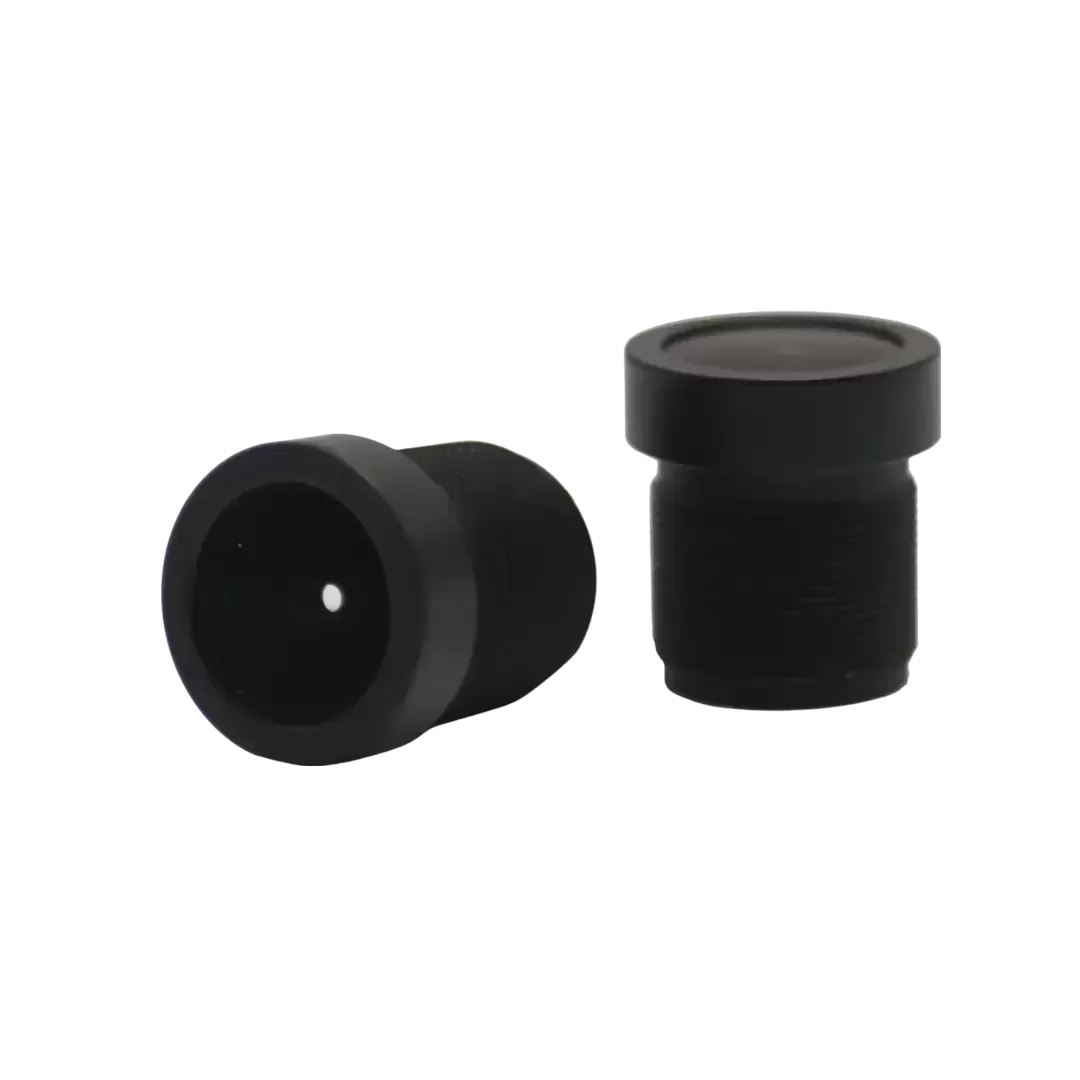
High-resolution video monitoring in outdoor environments presents a complex set of challenges for optical system designers and security integration firms. Unlike indoor systems where ambient conditions are controlled, outdoor surveillance systems must maintain precise focus, high contrast, and minimal distortion under variable lighting and diverse meteorological conditions. Achieving this level of performance requires a comprehensive understanding of how the optical properties of an outdoor security camera lens interact with sensor characteristics and environmental variables.
For B2B buyers, system integrators, and original equipment manufacturers (OEMs), choosing the correct optical assembly is not merely a matter of selecting a focal length. It requires a detailed evaluation of material composition, coating technologies, and mechanical housing design. As an established provider of custom optical solutions, Jinyuan works closely with engineering teams to design and manufacture lens assemblies that meet these demanding requirements, ensuring sustained performance over long operational lifecycles.
Managing Environmental Stressors in Outdoor Surveillance
Outdoor optical systems are subject to continuous environmental shifts that can degrade image quality if not addressed during the initial design phase. Factors such as fluctuating temperatures, humidity, and dust require specific engineering countermeasures to prevent defocusing and light loss.
Thermal Defocus and Athermalization
Wide temperature variations, spanning from sub-zero winter temperatures to high heat from direct sunlight exposure, cause physical expansion and contraction within both the lens elements and the housing. This thermal drift shifts the focal plane away from the image sensor, resulting in blurred images. To address this issue, Jinyuan utilizes passive athermalization techniques, selecting combinations of optical glass and mechanical housing materials with compensating thermal expansion coefficients. This maintains the focus position across a wide temperature range without requiring active motorized adjustments.
Condensation and Moisture Mitigation
Rapid temperature changes can cause moisture condensation on the external and internal surfaces of the optical elements. If moisture penetrates the camera housing, it scatters incoming light, reducing contrast and rendering the video feed unusable. Mitigating this issue involves two primary strategies:
Applying advanced hydrophobic and anti-fog coatings to the outermost element to prevent water droplets from adhering to the surface.
Utilizing robust ingress-resistant mechanical designs with environmental seals, ensuring the lens barrel remains impervious to moisture and particulate matter.
Optical Parameters and Sensor Compatibility
To optimize image quality, the physical parameters of the outdoor security camera lens must be precisely matched to the specific image sensor employed in the surveillance system. Misalignments between these components often lead to issues such as vignetting, resolution loss, or spatial aliasing.
Aperture and Low-Light Transmission
The light-gathering capability of a lens is determined by its maximum aperture, represented as the F-number. In outdoor scenarios where 24-hour monitoring is required, a large aperture (such as F1.2 or F1.0) is necessary to maximize photon collection during nighttime operations. This reduction in the F-number allows the image sensor to operate with lower gain settings, minimizing electronic noise and preserving image clarity in low-light environments.
Modulation Transfer Function (MTF) and Spatial Resolution
With modern security systems utilizing 4K and higher resolution sensors, the optical assembly must possess a matching spatial resolution. The Modulation Transfer Function (MTF) measures the lens's ability to transfer contrast from the subject to the sensor at specific spatial frequencies. A high-quality optical design ensures that the MTF remains consistently high from the center of the image to the very edges, preventing soft corners and ensuring that license plates or facial features are clearly resolvable at the periphery of the field of view.
Spectral Bandwidth and Infrared (IR) Correction
Most outdoor surveillance cameras utilize day/night functionality, switching from visible light during the day to near-infrared (NIR) illumination (typically 850nm or 940nm) at night. Because glass has a different refractive index for different wavelengths, standard lenses experience chromatic aberration, causing the infrared focus point to shift relative to the visible light focus point. A corrected outdoor security camera lens utilizes extra-low dispersion (ED) glass and specialized optical designs to align both spectral bands to the same focal plane, ensuring sharp images regardless of the illumination source.
Substrate Selection and Coating Technologies
The durability and optical efficiency of a lens assembly are determined by the materials chosen for its construction and the specialized coatings applied to its surfaces.
Glass vs. Plastic Substrates
While optical plastics are cost-effective for high-volume consumer applications, high-performance outdoor systems rely primarily on precision-ground glass. Glass elements offer superior thermal stability, higher transmission rates, and greater resistance to scratch damage and long-term UV degradation, which can yellow plastic materials over time. Jinyuan selects specific glass compositions to optimize transmission efficiency and minimize optical aberrations.
Anti-Reflective and Protective Coatings
Untreated glass surfaces reflect a portion of incident light, leading to ghosting, flare, and a reduction in overall light transmission. Multi-layer anti-reflective (AR) coatings are applied to internal elements to increase transmission across the visible and NIR spectrums. Externally, optical assemblies benefit from durable protective coatings that resist physical abrasion from airborne dust and facilitate easy cleaning during routine maintenance.
Custom Optical Engineering Solutions by Jinyuan
Standard off-the-shelf lenses often fail to meet the exact specifications required for specialized outdoor monitoring applications, such as long-range border surveillance, marine port monitoring, or intelligent traffic systems. In these instances, custom optical engineering becomes necessary.
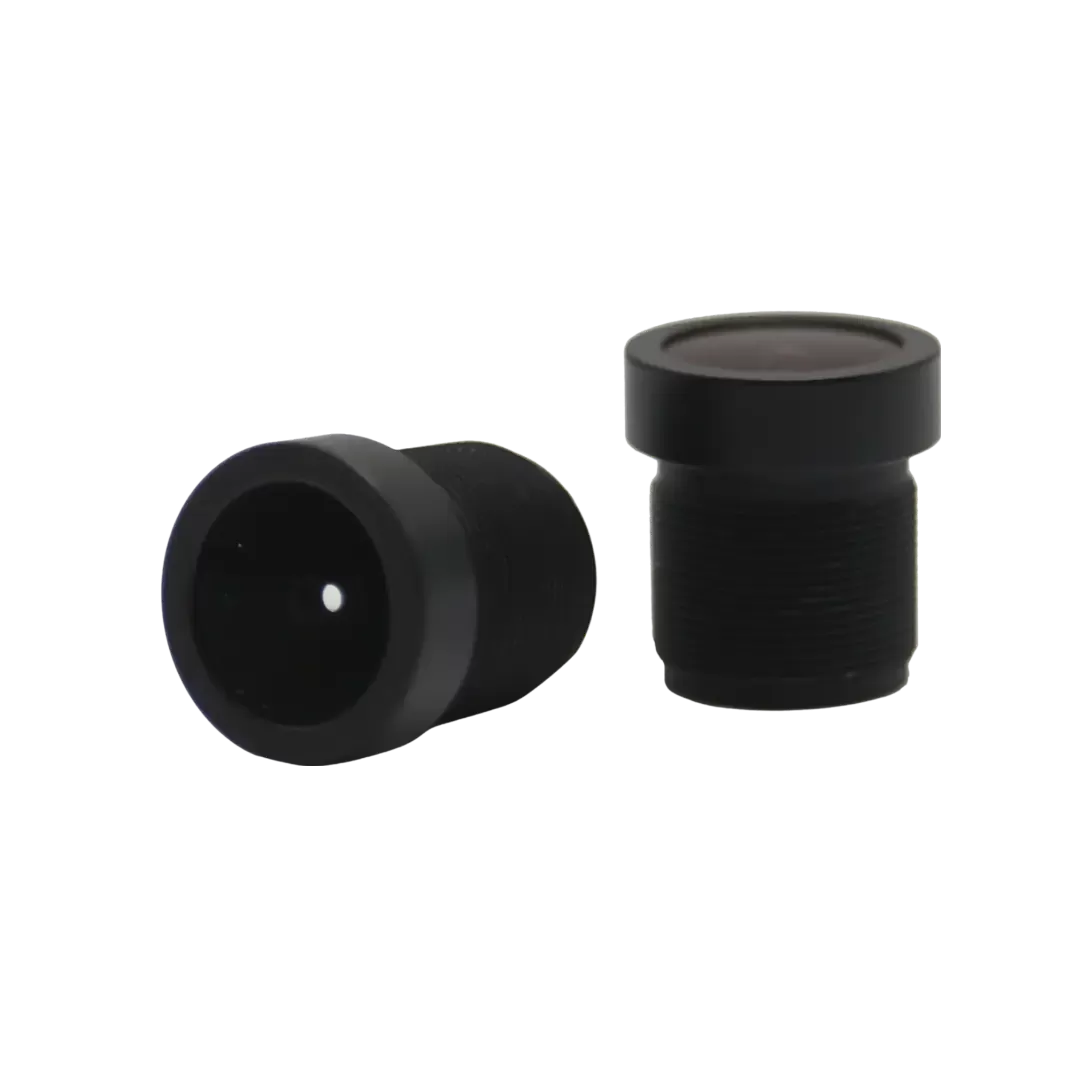
Jinyuan provides comprehensive OEM and ODM services, working with B2B clients from the initial optical design phase through mechanical integration, prototyping, and volume manufacturing. By utilizing advanced optical design software and precise metrology equipment, Jinyuan ensures that every custom outdoor security camera lens is matched to the client's mechanical housing, sensor format, and environmental requirements, delivering consistent performance in any deployment scenario.
Frequently Asked Questions
Q1: What is the primary cause of focus shift in outdoor cameras between day and night?
A1: This shift is caused by chromatic aberration. Visible light and near-infrared light have different wavelengths, meaning they refract at different angles when passing through glass. A lens without proper IR correction will focus these wavelengths at different points, causing the image to go out of focus when the camera switches to IR mode at night.
Q2: How does temperature variation impact the optical performance of outdoor surveillance systems?
A2: Temperature fluctuations cause thermal expansion and contraction in both the glass elements and the metal housing, which can shift the optical focus plane. To maintain image clarity without manual intervention, passive athermalization is used to design the lens assembly so that physical changes naturally compensate for one another across the operating temperature range.
Q3: Why is MTF an important metric when specifying a lens for a 4K outdoor camera?
A3: MTF, or Modulation Transfer Function, measures how well a lens preserves contrast and detail at increasing levels of resolution. A high-resolution 4K sensor requires a lens with a high MTF rating to ensure that the fine details captured by the sensor pixels are not blurred by optical limitations, particularly at the edges of the frame.
Q4: What are the advantages of using glass elements over plastic in outdoor lenses?
A4: Glass elements provide better light transmission, superior thermal stability, and higher resistance to solar UV degradation, which can cause optical plastics to yellow and degrade over time. Glass is also more resistant to physical scratching from windblown grit and environmental debris.
Q5: How do specialized external coatings protect the optical integrity of a camera lens?
A5: External coatings, such as hydrophobic and scratch-resistant layers, help repel water, minimize dirt accumulation, and protect the glass surface from mechanical wear. This ensures clear imaging during rain or high-humidity events and reduces the frequency of manual maintenance cycles.
Initiate an Engineering Consultation
Selecting the optimal optical components for outdoor surveillance systems requires balancing a range of physical, optical, and environmental parameters. If your organization is developing or upgrading an outdoor surveillance platform, Jinyuan can provide the design support, manufacturing precision, and quality assurance required for your project. To discuss your specific system requirements, sensor specifications, and customized optical design needs, please contact the engineering team at Jinyuan today to submit your inquiry.