
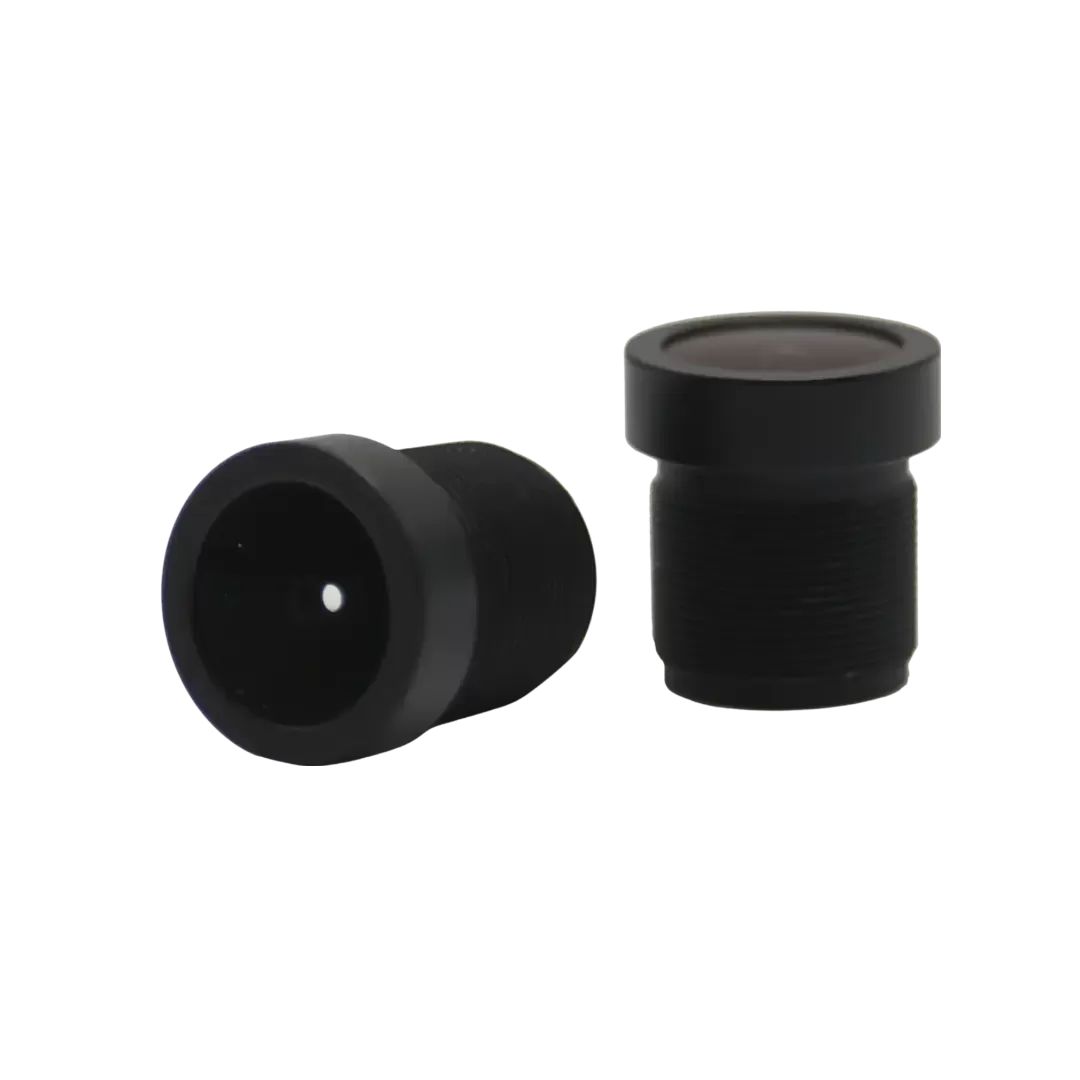
The performance of modern surveillance systems relies heavily on the quality of the optical input. While digital image sensors and image signal processing (ISP) algorithms have advanced significantly, they are inherently limited by the physical characteristics of the light reaching the sensor. A high-quality security optical lens serves as the foundational component of any imaging system, directly determining the resolution, contrast, and overall clarity of the captured video feed. For system integrators and camera manufacturers, selecting and customizing these optical components is a vital step in ensuring consistent field performance.
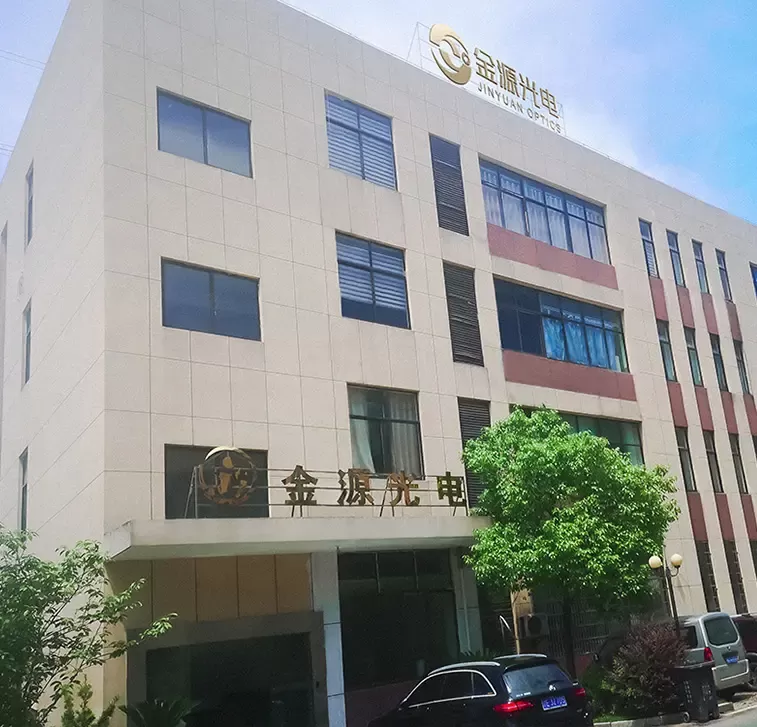
Jinyuan focuses on the design and manufacture of specialized optical assemblies that address the practical challenges faced by industrial, commercial, and municipal surveillance installations. By prioritizing precise mechanical construction, specialized glass selection, and advanced coating methodologies, these optical solutions maintain image integrity across diverse operational environments.
Optical Design Principles of a Security Optical Lens
To evaluate the suitability of a security optical lens for high-resolution applications, several physical and optical parameters must be analyzed. These specifications dictate how well the lens can resolve fine details, handle low-light environments, and maintain image quality from the center to the very edge of the frame.
Modulation Transfer Function (MTF) and Resolving Power
The resolving power of a lens is commonly quantified through its Modulation Transfer Function (MTF), which measures how well the lens preserves contrast at increasing spatial frequencies (measured in line pairs per millimeter, or lp/mm). A lens matched with an 8-megapixel (4K) sensor must have an MTF profile that supports the small pixel pitch of the sensor, often down to 2.0 microns or less. If the optical resolving power is insufficient, the resulting image will appear soft and blurred, regardless of the sensor's pixel count. Jinyuan utilizes advanced computer-aided design to optimize MTF curves, ensuring uniform sharpness across the entire image field.
Aperture Size and F-Number
The light-gathering capability of an optical assembly is defined by its F-number (the ratio of the focal length to the diameter of the entrance pupil). A lower F-number, such as F1.2 or F1.4, allows a larger volume of light to reach the sensor, which is highly beneficial in low-light scenarios. However, designing large-aperture lenses introduces challenges such as spherical aberration and coma. Resolving these aberrations requires the integration of high-refractive-index glass and precisely shaped aspherical elements to guide light rays to a single, coherent focal point.
Image Circle and Sensor Format Matching
Every security optical lens is designed to project a circular image onto the sensor plane, known as the image circle. This image circle must equal or slightly exceed the diagonal dimension of the sensor (for example, 1/1.8", 1/2", or 2/3" formats). Mounting a lens with an insufficient image circle onto a larger sensor results in mechanical vignetting, characterized by dark or completely obscured corners. Conversely, using a lens designed for a larger sensor on a smaller sensor reduces the effective field of view, though it often utilizes the sharpest central portion of the glass.
Resolving Environmental and Optical Obstacles in Outdoor Surveillance
While lab-tested optical performance provides a baseline, real-world deployment exposes surveillance equipment to challenging physical conditions. Outdoor security systems must operate continuously through severe temperature swings, direct sunlight, and changing light conditions between day and night.
One major challenge in outdoor imaging is focus shift caused by temperature changes, a phenomenon known as thermal drift. As the ambient temperature rises or falls, the physical dimensions of the lens barrel expand or contract, and the refractive index of the glass elements changes. In standard optical designs, this can cause the focal plane to shift away from the sensor, leading to out-of-focus images during seasonal temperature extremes. Jinyuan addresses this issue through athermalization, a design methodology that pairs specific glass materials with complementary mechanical alloys and polymers. This structural combination offsets thermal expansion, keeping the focus stable across temperatures ranging from -30°C to +70°C.
Another common performance bottleneck is the focus shift that occurs when a camera transitions from daytime mode (using visible light) to nighttime mode (using near-infrared illumination, typically 850nm or 940nm). Because different wavelengths of light bend at different angles when passing through standard glass, visible and infrared light focus at different points behind the lens. This chromatic aberration causes blurry night images. To prevent this degradation, Jinyuan integrates extra-low dispersion (ED) glass and specialized thin-film coatings into its day/night lens assemblies. This design ensures that both visible and infrared light waves focus on the exact same sensor plane, delivering sharp, continuous monitoring without the need for electronic refocusing.
Bright, direct light sources within the field of view—such as vehicle headlights, streetlamps, or direct sunlight—can also degrade image quality by creating internal reflections. These reflections appear as ghost images or flare, reducing overall contrast. To mitigate this issue, multi-layer broadband anti-reflective coatings are applied to each optical surface. These coatings minimize surface reflection to less than 0.5%, maximizing light transmission and preserving contrast even in high-contrast or backlit environments.
Custom Security Optical Lens Production and Quality Control
Standard off-the-shelf lenses often fail to meet the strict physical envelope or unique optical requirements of specialized OEM/ODM security systems. Designing custom optics requires a controlled manufacturing workflow to ensure consistency across large production volumes.
Optical Simulation and Modeling: The customization process begins with optical design software to simulate light propagation, analyze tolerancing, and predict MTF performance under simulated environmental stress.
Precision Glass Grinding and Molding: High-purity optical glass blocks are precisely ground, polished, or molded to exact surface figure tolerances, ensuring minimal wavefront error.
Thin-Film Deposition: Automated coating chambers deposit precise layers of metal oxides onto the glass surfaces to achieve targeted transmission and anti-reflective characteristics.
Active Alignment Assembly: To avoid the performance drops caused by mechanical manufacturing tolerances, Jinyuan utilizes active alignment technology during assembly. This process dynamically aligns the lens elements with the image sensor while projecting a test pattern, ensuring uniform sharpness across the entire sensor surface.
Environmental and Stress Testing: Finished assemblies undergo rigorous testing, including thermal shock, high humidity exposure, vibration testing, and salt spray exposure, verifying that the optical housing and glass elements can withstand prolonged outdoor use.
Application Demands and Lens Selection
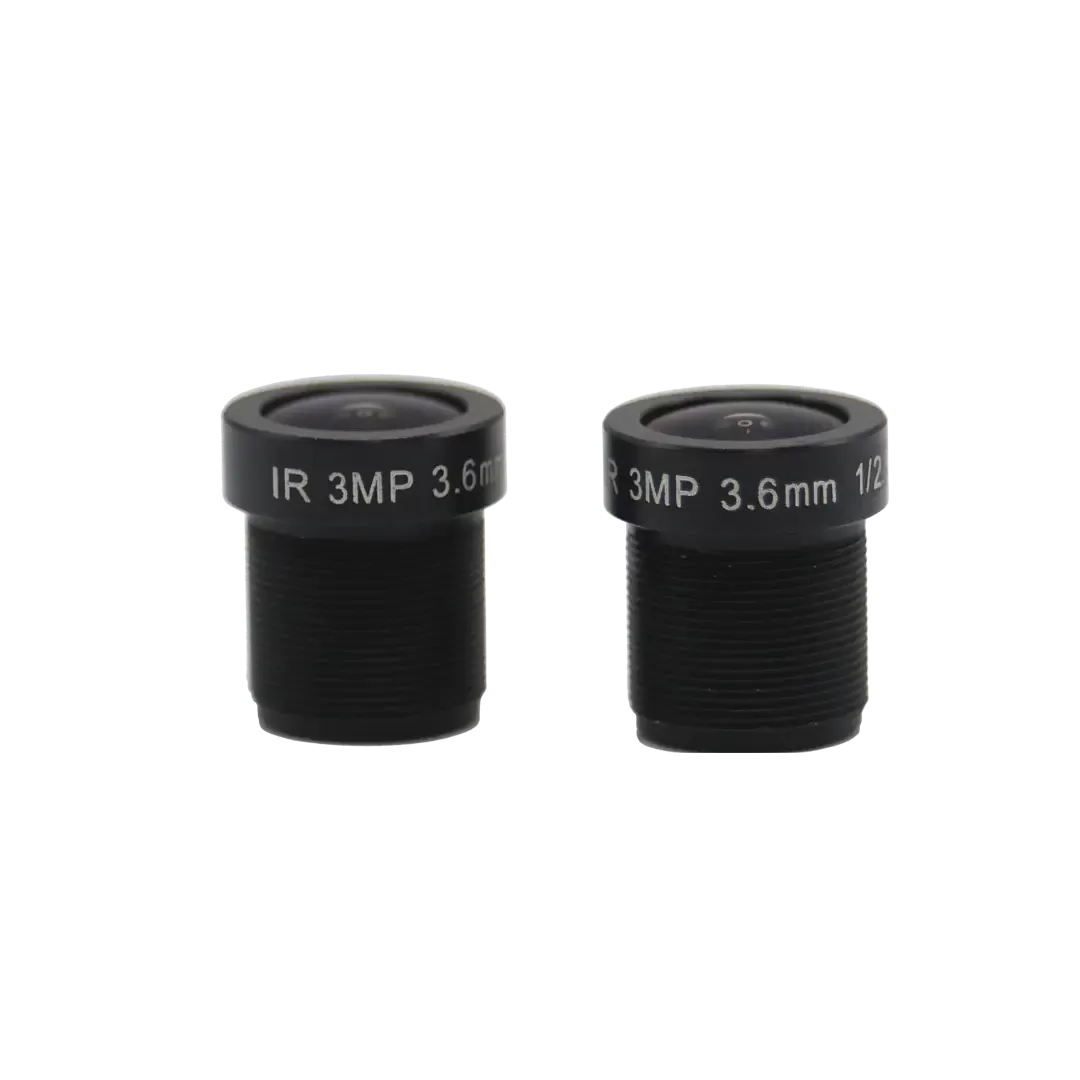
Different surveillance applications require specific optical configurations to achieve optimal performance. Security integrators must evaluate these specialized requirements during the system planning phase.
Intelligent Transportation Systems (ITS)
Traffic monitoring and license plate recognition (LPR) systems operate at high shutter speeds to capture fast-moving vehicles. This operational profile demands a security optical lens with a large aperture to compensate for short exposure times. Additionally, the optical assembly must exhibit low geometric distortion to prevent the warping of characters on license plates, ensuring high accuracy for automated recognition software.
Perimeter Security and Border Patrol
Monitoring large open areas, airports, or international borders requires long-range detection capabilities. These systems rely on motorized zoom lenses with long focal lengths (often exceeding 300mm). The internal zoom tracking must remain precise throughout the zoom range, ensuring the target remains in sharp focus during focal length transitions.
Industrial and Marine Facilities
Chemical processing plants, offshore platforms, and heavy manufacturing sites expose optical equipment to corrosive atmospheres, moisture, and mechanical vibrations. For these deployments, the optical assemblies must be protected by robust, sealed enclosures, often utilizing specialized hydrophobic outer coatings on the front lens element to prevent water droplets or oils from obscuring the view.
Frequently Asked Questions
Q1: What is the primary difference between a standard lens and an IR-corrected security optical lens?
A1: A standard lens focuses visible and near-infrared light at different physical planes, which causes the image to go out of focus when the camera switches to infrared mode at night. An IR-corrected lens utilizes specialized low-dispersion glass materials and targeted coatings to bring both visible and infrared light to the exact same focal point on the sensor, ensuring constant sharpness during day-and-night transitions.
Q2: How does spatial resolution of the sensor affect the choice of security optics?
A2: High-resolution sensors (such as 4K or 12MP) feature very small individual pixels. If the lens paired with these sensors does not have a sufficiently high resolving power (measured in line pairs per millimeter), the optical blur circle will exceed the pixel size, resulting in a soft image. It is necessary to match the optical performance of the lens to the specific pixel pitch of the sensor to capture true high-resolution images.
Q3: Why is geometric distortion correction important for security cameras?
A3: Geometric distortion, such as barrel or pincushion distortion, warps the shapes of objects within the field of view. For security applications involving facial recognition, license plate reading, or video analytics, high distortion can cause processing software to fail. Utilizing a lens with low distortion ensures that physical dimensions and shapes remain accurate across the entire frame.
Q4: How does athermalization improve the reliability of outdoor cameras?
A4: Outdoor cameras experience wide temperature fluctuations that cause optical glass to change its refractive index and mechanical barrels to expand or contract. This physical shift moves the focus point away from the image sensor. An athermalized design uses materials with opposing thermal expansion properties to maintain a constant distance between the lens elements and the sensor, ensuring the image remains sharp in both winter and summer conditions.
Q5: What are the advantages of using aspherical glass elements in a security optical lens?
A5: Spherical lenses suffer from spherical aberration, where light rays passing through the outer edges of the lens focus at a different point than those passing through the center. Aspherical elements have a surface profile that continuously changes from the center to the edge, correcting these aberrations with fewer total lens elements. This design results in lighter, more compact lenses that deliver improved contrast and edge sharpness.
Inquire for Customized Optical Solutions
For industrial partners, camera manufacturers, and system integrators requiring specialized optical performance, Jinyuan provides comprehensive engineering and manufacturing services. Our team works closely with you to design, prototype, and manufacture high-performance lens assemblies that meet your exact physical, mechanical, and optical specifications. To discuss your project requirements or to request a detailed technical consultation, please contact our engineering team directly.