
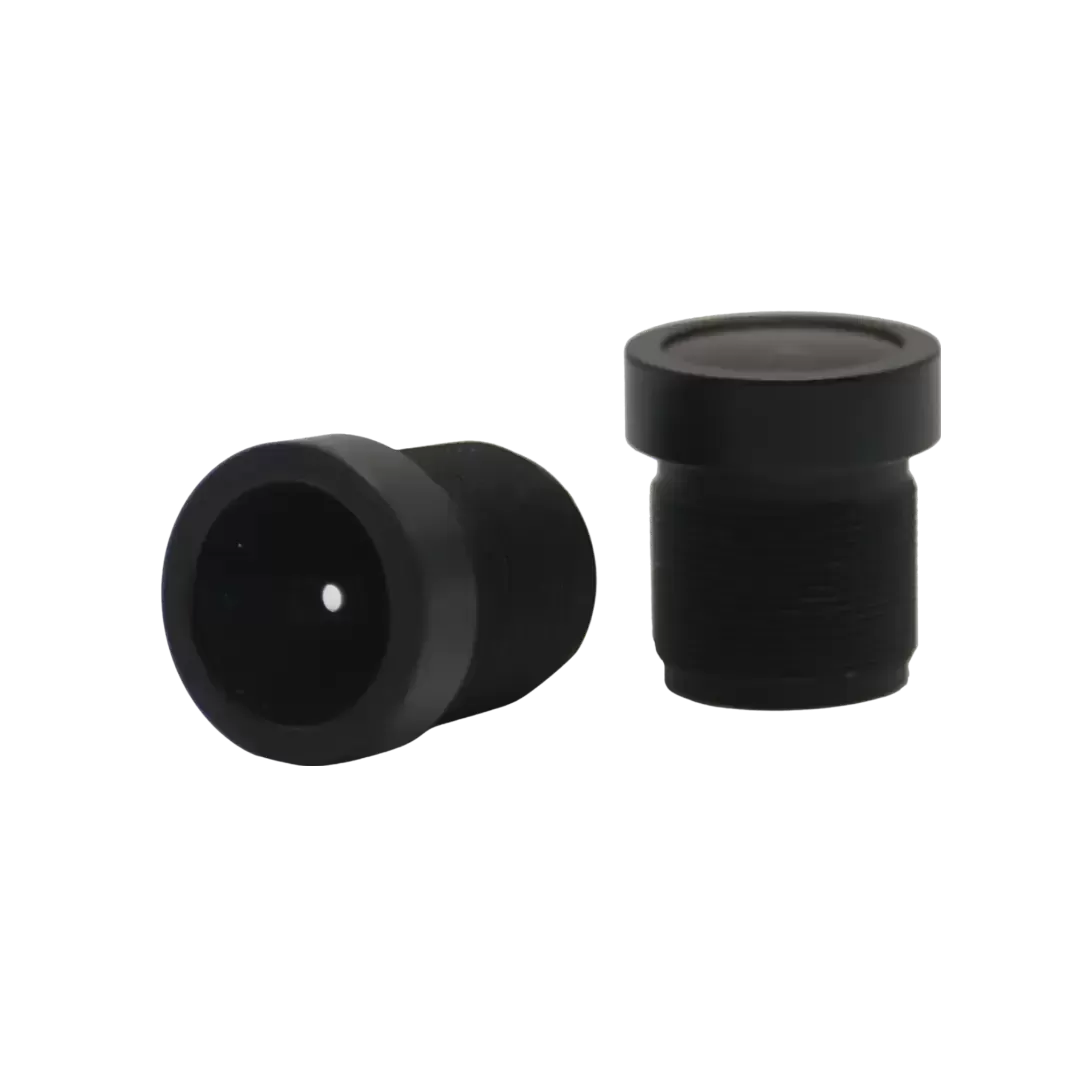
Optical systems deployed outside climate-controlled laboratories face severe operating conditions. Thermal fluctuations, mechanical shocks, high-frequency vibration, and corrosive atmospheres constantly threaten optical performance. While standard plastic barrels serve consumer electronics adequately, industrial vision, defense, automotive sensing, and medical imaging require an unyielding mechanical platform. Optomechanical engineers prioritize structural integrity, thermal stabilization, and tight manufacturing tolerances, making the metal housing lens the standard choice for demanding optical assemblies.
The mechanical barrel is not merely a protective shell; it is an active participant in maintaining the optical path. Lens elements must remain positioned relative to one another within sub-micron tolerances under diverse dynamic loads. Evaluating the structural materials, manufacturing processes, passive athermalization mechanics, and environmental sealing protocols demonstrates why high-grade metallic enclosures remain irreplaceable in precision optics.
Optomechanical Materials and Precision Machining Parameters
Selecting the correct metal alloy for an optical housing requires balancing structural rigidity, mass, thermal expansion, corrosion resistance, and machinability. Optical designers commonly evaluate several metallic substrates based on specific operational constraints:
Aluminum Alloys (6061-T6 and 7075-T6): Aluminum represents the industry workhorse due to its high strength-to-weight ratio, excellent thermal conductivity, and superior machinability. Hard-anodized surfaces provide strong wear resistance and mitigate internal stray light through specialized non-reflective black dyes.
Brass (C36000 series): Brass provides smooth thread engagement, high density, and natural lubricity, preventing galling in manual focus mechanisms and adjustable aperture assemblies. Its thermal expansion profile also matches specific high-index optical glasses more closely than aluminum.
Stainless Steel (303, 304, and 316L): For extreme chemical environments, marine deployment, or medical instruments requiring repetitive autoclave sterilization, stainless steel provides unmatched passivation and structural endurance, despite its increased mass and higher tooling wear during fabrication.
Titanium Alloys: Aerospace and defense payload systems favor titanium when mass budgets are strict and low thermal conductivity combined with high yield strength is mandatory.
Dimensional stability within a metal housing lens relies on modern computer numerical control (CNC) multi-axis turning and milling centers. Concentricity between lens seats must consistently hold below 5 microns to prevent optical aberrations such as decentration coma and astigmatism. Thread pitches for retaining rings and focus helicoids require meticulous surface finishing to prevent particulate generation within the cleanroom assembly environment, ensuring that mechanical friction does not introduce contaminants into the sealed optical cavity.
Thermal Stability and Passive Athermalization Dynamics
Temperature shifts alter both the refractive index of glass elements (dn/dT) and the physical geometry of the optomechanical assembly. As ambient temperatures shift from -40°C to +85°C in outdoor or automotive scenarios, optical elements expand, contract, and alter their radii of curvature. Concurrently, the mechanical housing changes length, shifting the distance between individual optical elements and the image sensor.
An unmatched coefficient of thermal expansion (CTE) between the lens glass and barrel leads to mechanical pinching at low temperatures, causing severe stress birefringence or element fracture. At elevated temperatures, excessive play allows lens elements to tilt, destroying spatial resolution and Modulation Transfer Function (MTF) uniformity across the field of view.
Passive athermalization manages these thermal effects through mechanical design rather than electronic focus adjustment. Engineers calculate the cumulative thermal defocus of the optical train and design a multi-material mechanical housing to counterbalance it. By combining materials with alternating positive and negative expansion rates, such as combining aluminum sleeves with specific plastic or stainless steel spacers, the mechanical barrel adjusts its overall length at a rate identical to the focal plane drift. This optical-mechanical synergy ensures the focal point remains locked onto the sensor plane across the entire operational temperature envelope without external power consumption.
Dynamic Shock, Vibration Resistance, and Environmental Ingress Protection
Machine vision setups mounted on robotic arms, autonomous mobile platforms, and high-speed production lines experience continuous inertial shocks and multi-axis harmonic vibration. In these conditions, adhesive failures or mechanical displacement within the barrel result in optical axis drift and boresight errors.
Securing optical elements within a metallic enclosure requires robust mechanical retention methods:
Threaded Retaining Rings: Precise torque control prevents mechanical distortion while securing lenses against internal mounting shoulders. Fine-pitch threads combined with locking adhesives provide resistance to vibrational loosening.
Continuous Burnishing and Elastomeric Potting: For high-G impact survival, lenses are potted with structural silicones or RTV compounds around their perimeter before a metal lip is mechanically swaged over the lens edge, evenly distributing mechanical stress.
Double O-Ring Sealing Interfaces: Dynamic and static O-rings placed at barrel junctions prevent humidity, dust, and hydraulic fluids from penetrating the optical chamber, easily achieving IP67 or IP69K ratings.
Autonomous guided vehicles often integrate a metal housing lens to withstand constant road vibrations and unpredictable weather conditions without degradation of image quality. The rigid metal chassis serves as a thermal heatsink for adjacent image sensors, pulling heat away from high-density focal plane arrays and reducing thermal noise during extended capture sessions.
Core Industrial and Commercial Applications
The implementation of metal-enclosed optics spans across industries where data integrity depends directly on optical clarity:
Automated Optical Inspection (AOI) and Factory Automation: High-resolution telecentric and macro systems require precise element centering to measure micron-scale defects on printed circuit boards and semiconductor wafers. Structural rigidity prevents optical shift during continuous multi-axis gantry movements.
Automotive ADAS and Intelligent Transportation Systems (ITS): Forward-facing cameras, blind-spot monitoring, and license plate recognition systems demand thermal stability from sub-zero winter temperatures to scorching summer heat, where plastic barrels would warp and lose focus.
Medical Endoscopy and Surgical Vision: Medical optical assemblies must survive aggressive sterilization protocols, including repeated exposure to high-pressure steam, gamma radiation, and chemical sanitizers, which rapidly degrade non-metallic alternatives.
Security, Border Monitoring, and Defense: Long-range surveillance setups operating 24/7 utilize metallic housings to ensure boresight stability across variable weather conditions, high humidity, and physical exposure.
Manufacturing and Quality Verification Standards
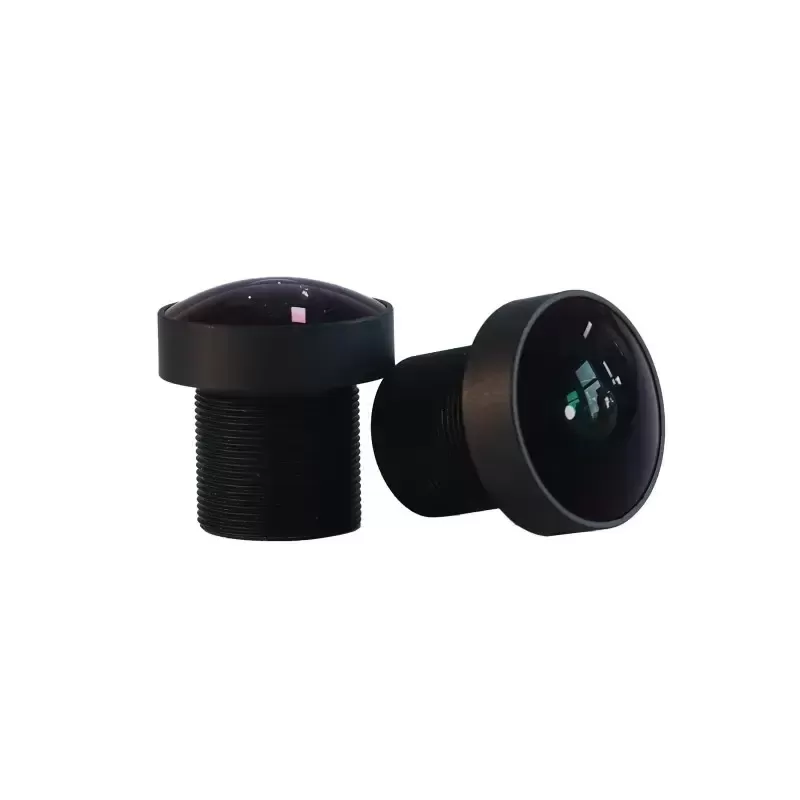
Producing precision optomechanics demands seamless coordination between optical design software, CNC machining centers, and optical testing laboratories. Precision fabricators like Jinyuan utilize multi-axis CNC machines capable of holding micron-level tolerances across production runs. Every housing undergoes coordinate measuring machine (CMM) verification to confirm bore diameters, runout, and surface perpendicularity before assembly.
Assembly takes place within ISO Class 5 or Class 7 cleanrooms to eliminate particulate contamination. Automated alignment stations rotate individual lenses while monitoring transmitted wavefront errors with Shack-Hartmann sensors or laser interferometers. Once optical elements are positioned, torque-controlled tools lock them in place, and curing adhesives stabilize the optical stack against mechanical shift.
Custom assembly lines at Jinyuan incorporate automated optical alignment and environmental stress screening. Finished lenses undergo rigorous MTF testing at spatial frequencies up to and exceeding 200 line pairs per millimeter (lp/mm) across central and peripheral fields. Environmental testing chambers expose finished assemblies to thermal cycling, ingress testing, and vibration profiles to verify real-world durability before field deployment.
Frequently Asked Questions (FAQ)
Why is a metal housing lens preferred over plastic in high-resolution vision systems?
Metal housings offer superior mechanical stiffness, lower thermal expansion variability, and higher machining precision. This rigidity prevents lens decentration and tilt, which are primary causes of image blur and asymmetrical aberration in high-megapixel and fine-pitch sensor applications.
How does temperature variation affect the optical performance of a lens assembly?
Temperature changes induce changes in the refractive index of glass elements and cause physical expansion or contraction of the housing. Without optomechanical compensation, these changes shift the back focal length, causing the image to fall out of focus across the field of view.
Which metal alloy is best for subsea or marine optical systems?
Marine environments require 316L stainless steel or passivated titanium due to their exceptional resistance to saltwater corrosion and chloride pitting. Aluminum can be utilized if coated with specialized marine-grade hard anodization and sealed completely against environmental exposure.
Can a metal housing lens design protect against internal lens fogging?
Yes. By utilizing precision O-rings, vacuum-assisted backfilling with dry nitrogen or argon gas, and hydrophobic optical coatings, a sealed metallic housing maintains a hermetic barrier that prevents moisture ingress and internal condensation across temperature swings.
What role does surface finishing play in internal lens barrel design?
Internal barrel surfaces are typically treated with non-reflective matte black anodizing, micro-grooving, or specialized light-absorbing paints. These treatments eliminate internal reflections, stray light, and ghosting, maximizing system contrast and overall dynamic range.
Engineered Solutions for Your Optical Challenges
Selecting the optimal optomechanical configuration requires balancing environmental demands, optical tolerances, and serial manufacturing parameters. Whether your application requires custom athermalization, ruggedization against high vibration, or specialized chemical resistance, experienced design and manufacturing support makes all the difference.
Contact the engineering team at Jinyuan to discuss your optical specifications, explore custom optomechanical configurations, and receive a comprehensive manufacturing assessment tailored to your project requirements.